
Review · TOKYO
Authentic Japanese Karaoke Bar Hopping in Tokyo Night
Akabane is the star here. North of central Tokyo, this old-fashioned drinking district gives you a better shot at local nightlife than the polished streets of Shinjuku or Shibuya. You’ll move through narrow alleys, traditional izakayas, and small snack bars where karaoke is part of the social fabric, not a private-room performance.
I like the small group of no more than seven, which lets guide Hayate explain customs, introduce you to people, and keep the evening moving without turning it into a parade. I also like the mix of food, drinks, and singing across three very different venues. The main caution is simple: four hours of all-you-can-drink service is a lot, so pace yourself and remember that snack bars can feel intimate if you prefer quiet sightseeing.
Key points to know
- Akabane instead of the usual Tokyo nightlife districts: You’ll explore Ichibangai, OK Yokocho, and Akabane Silk Road.
- Three different stops: The evening moves from an izakaya to traditional snack bars, with each place offering a different mood.
- Local guide Hayate: English support makes ordering, conversation, and Japanese drinking customs much easier.
- All-you-can-drink format: Drinks are included at the three venues, along with dinner and snacks.
- Karaoke with local regulars: Sofina offers a chance to sing, chat, and take part in the friendly rhythm of a Japanese snack bar.
- A practical first taste of snack bar culture: These tiny venues can be hard to enter alone, especially if you do not speak Japanese.
Why Akabane makes a better night out than the usual Tokyo circuit
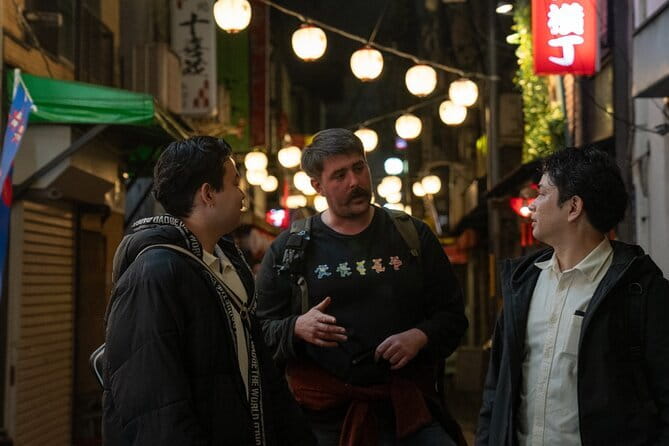
Tokyo has no shortage of neon, themed bars, and famous nightlife streets. Akabane offers something less polished and, for many people, more memorable. It is a working neighborhood with a long drinking tradition, where locals stop after work and small bars often depend on regular customers rather than passing crowds.
The tour begins at Akabane Station, then leads you into the Ichibangai Shopping Street area. The district has roughly 100 establishments, so you get an immediate sense of how much local nightlife is packed into a small space. You are not simply being shown a bar. You are learning how this part of Tokyo works after dark.
That distinction matters. Going alone into a tiny Japanese snack bar can be intimidating. You may not know the ordering system, the expected conversation, or whether the door is even open to people who are not regulars. An English-speaking guide removes much of that uncertainty and gives you a social bridge into places you might otherwise pass by.
Guide Hayate receives especially strong praise for starting conversations, asking questions, and making sure people do not get stranded on the edge of the group. Those are useful skills on a night like this. The best part of a small bar is often the interaction, and a good guide helps turn awkward silence into a shared drink or a karaoke song.
More Bar Hopping Tours in Japan
- Tokyo Bar Hopping Tour in Shinjuku (All-You-Can-Drink + Dinner)
★ 5.0 · 3,587 reviews - Shibuya Meltdown Nightlife Tour: All-You-Can-Drink Bar Hopping
★ 5.0 · 1,058 reviews - Tokyo: Shinjuku Bar Hopping with All-You-Can-Drink & Dinner
★ 4.9 · 440 reviews
The first hour at Ichibangai and the opening izakaya
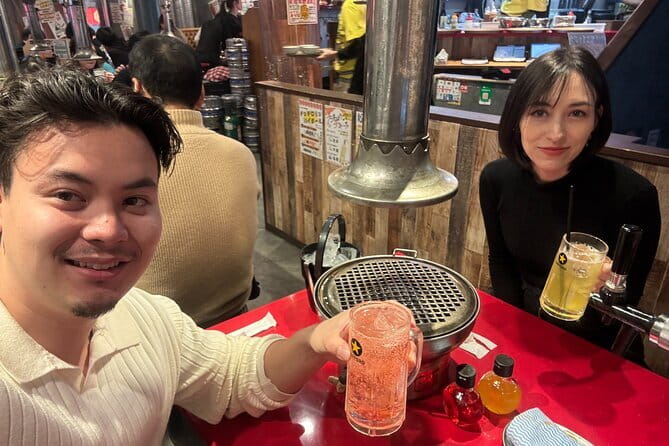
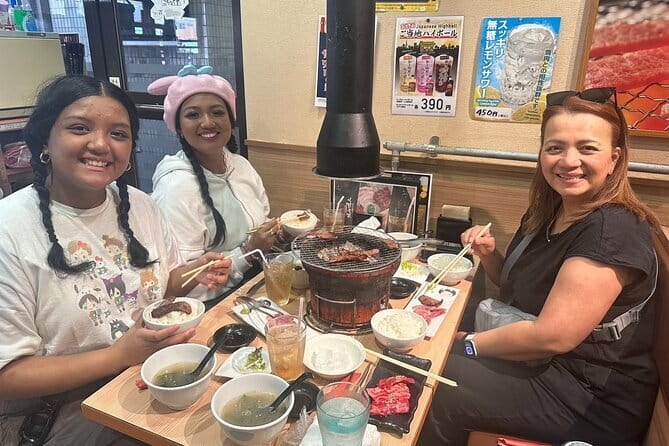
Your first stop is a traditional izakaya connected with the Ichibangai area. This is where the evening settles into place. You’ll receive three local dishes from the menu and have access to all-you-can-drink service while your guide explains basic Japanese drinking customs.
Izakayas are casual dining places built around small plates, drinks, and conversation. They are not quite restaurants and not quite pubs. You order food to share, try several drinks, and let the meal stretch into the evening. For a first introduction to Japanese nightlife, this format works well because you are not expected to commit to one large dish or one particular drink.
The food selection is one of the stronger parts of the experience. The menu includes three local dishes, and past descriptions of the first venue point to items such as fried rice, grilled food, crispy poultry, and even cheese dishes. Exact choices can vary, so you should think of this as a substantial start to the evening rather than a fixed tasting menu.
The self-serve all-you-can-drink setup at the opening venue can be convenient. You do not need to keep flagging down staff, and you can sample drinks at your own speed. Still, this is where sensible pacing matters. The tour continues through two more venues, and drinking quickly at the first stop can make the later karaoke session less enjoyable.
The first hour also gives you time to ask Hayate about etiquette. Japanese drinking culture has its own small rules, such as sharing food, pouring drinks for others, and waiting for a group toast before beginning. You do not need to master every custom, but understanding a few of them helps you feel less like an observer.
One possible drawback is that the first venue may feel more like a group dinner than a sightseeing stop. That is not a weakness if you want food and conversation, but it means you should not expect a formal cultural demonstration. The value comes from being placed in a real local setting and having someone explain what is happening around you.
Walking through OK Yokocho and Akabane Silk Road
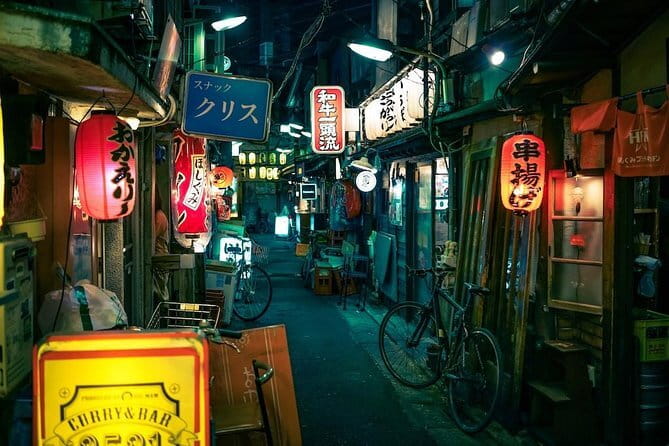
Between the drinking stops, you’ll walk through Akabane’s narrow lanes and covered shopping arcades. OK Yokocho is known for its atmospheric drinking alleys, while Akabane Silk Road runs beside Ichibangai and carries a nostalgic old-neighborhood feel.
This short walking section gives the evening some shape. You are not being driven from one isolated venue to another. You are seeing how the bars connect, how the streets change, and how different types of places sit beside one another. The walk also gives you a break between drinks, which is welcome on a four-hour night.
Your guide shares how Akabane developed from an Edo-period transportation hub into a popular drinking district. That context helps explain why the area feels different from Tokyo’s major entertainment centers. It is less about spectacle and more about repeat customers, small spaces, and familiar routines.
Keep your expectations realistic. These are atmospheric neighborhood streets, not grand monuments. Their appeal comes from signs, tight lanes, covered arcades, and the sight of ordinary evening life. If you want a polished city tour with major landmarks, this is the wrong format. If you like seeing how people actually spend a night out, the walk is useful.
Wear shoes you can walk in comfortably. The distance between stops is part of the experience, and you will likely be standing or moving through compact venues. Public transportation is nearby, and the tour begins and ends at Akabane Station, which keeps the evening practical.
Akabane Reien and the first taste of snack bar life
The second stop takes you into two small snack bars tucked within the Ichibangai area. In Japan, a snack bar, or snakku, is usually a small drinking place led by a mama, the woman who hosts, serves, and often keeps conversation flowing. These places are built around personal contact. You are not just buying a drink. You are joining a social room.
For many people, this is the most valuable part of the tour. Snack bars can be hard to find and harder to enter without local help. The signs may be easy to miss, the rooms may be hidden upstairs or behind an unassuming door, and the customs can feel unclear. With Hayate along, you have someone to introduce you and explain the rhythm.
At Akabane Reien, you get a more intimate drinking experience than at the opening izakaya. All-you-can-drink service continues, and Japanese snacks are available to eat. The food here is not presented as a full meal, so the earlier dinner matters. Think of this stop as a social visit with drinks and light bites.
This part of the evening can be especially good for meeting Japanese regulars. The format encourages conversation, and the small group makes it easier to ask questions without shouting across a large room. If you are curious about daily life in Tokyo, this is a better setting than a large nightlife venue.
It is also the part that may test your comfort zone. You could be sitting close to people you have just met, joining conversations through translation, or trying a karaoke song in a room where nobody expects a perfect performance. You should come ready to participate at least a little. The tour is not designed for someone who wants to sit silently at the edge of the room.
More Bar Hopping Tours in Tokyo
- Tokyo: Shinjuku Local Bar Hopping Walking Tour
★ 5.0 · 186 reviews - Shibuya Meltdown Night Tour: All-You-Can-Drink Bar Hopping
★ 4.8 · 183 reviews - Shinjuku Izakaya and Golden Gai Bar Hopping Tour
★ 5.0 · 147 reviews - Tokyo: Shinjuku Bar Hopping & Night Walking Tour
★ 4.6 · 137 reviews
Sofina, karaoke, and a Romanian mama in Tokyo
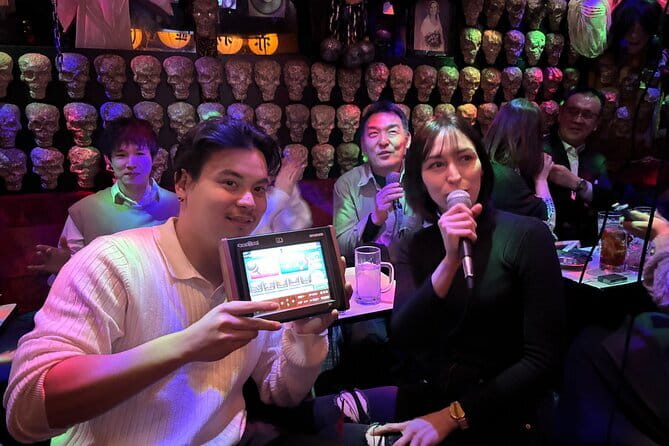
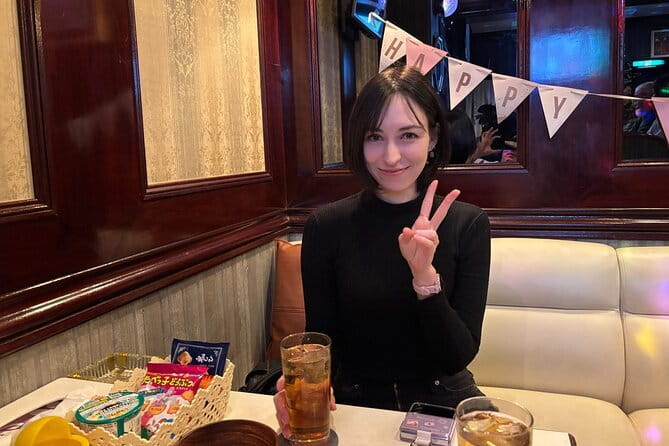
The third stop is Sofina, a cozy snack bar run by a friendly Romanian mama. That detail gives the night an unexpected twist. You are experiencing a Japanese bar tradition, but the person hosting the room brings her own background and personality to it.
Sofina is where karaoke becomes central. You can sing familiar songs, share drinks, and speak with local regulars in a relaxed home-style setting. The point is not vocal skill. Karaoke in this setting works as a social tool, giving everyone a reason to take a turn and making it easier for strangers to laugh together.
If you are nervous about singing, you can begin by watching and joining later. The small group helps here because you are not facing a packed karaoke room full of strangers. Hayate can help with introductions and keep the conversation moving, while the snack mama adds warmth and personality.
The final stop also explains why this experience is more than an ordinary bar crawl. Commercial bar crawls often focus on volume, loud music, and quick stops. This tour puts more weight on the people who run the venues and the regulars who give them character.
That said, the atmosphere depends partly on the group and the room on your particular night. A friendly guide can create opportunities, but no tour can guarantee that every local regular will want a long conversation. Go with an open attitude rather than treating the bar like a staged performance.
You should also remember that all-you-can-drink does not mean you need to drink continuously. Ordering water or slowing down is sensible, especially before karaoke. The evening is longer and more enjoyable when you stay alert enough to remember the conversations.
What the $143.02 price really covers
At $143.02 per person, this is not the cheapest night out in Tokyo. You could eat at a casual restaurant and have drinks for less, especially if you avoid alcohol. The price makes more sense when you treat the activity as a guided access and interpretation service, not simply a meal.
You receive dinner consisting of three local dishes, drinks at three venues, Japanese snacks at the second and third stops, a small-group guide, and photos sent after the tour. Transportation to and from Akabane is not included, but the tour starts and finishes at the same station, so the logistics are straightforward.
The biggest value is the confidence to enter places you might never try alone. A meal is easy to arrange in Tokyo. Finding a genuine snack bar, understanding how to behave there, and meeting local people without speaking Japanese is much harder.
The maximum group size is seven. That is an important detail because a large group would change the mood inside these compact bars. With fewer people, Hayate can speak with each participant, manage introductions, and help everyone take part.
I would consider the price reasonable for someone who wants a guided evening with alcohol and local access. It is less attractive if you are mainly looking for a cheap dinner, a private karaoke room, or a flexible night where you can leave whenever you wish.
Who will enjoy this Akabane night most
I would recommend this experience to solo visitors, couples, and small groups who want help crossing the social gap between tourist Tokyo and everyday Tokyo. It is particularly useful for people visiting Japan for the first time who want to try a snack bar but do not feel comfortable walking into one alone.
You will likely get the most from it if you enjoy:
- Meeting people through food and conversation
- Trying local drinks and small dishes
- Singing or listening to karaoke
- Exploring neighborhoods away from the main tourist routes
- Learning social customs from an English-speaking Japanese guide
It can also work well for repeat visitors who have already seen Shibuya and Shinjuku. Akabane offers a different side of the city, with modest storefronts, covered streets, and venues shaped by regular customers.
I would hesitate to recommend it to anyone who dislikes alcohol, crowded small rooms, group conversation, or being encouraged to sing. The tour includes drinking at three locations, and karaoke is an important part of the last stop. You can participate at your own level, but the social energy is central to the experience.
Practical details before you reserve
The activity lasts about four hours and uses a mobile ticket. Confirmation arrives when you book. It is near public transportation, and most people can participate, though the evening involves walking between venues and spending time in compact bars.
Meet at Akabane Station, at 1 Chome-1 Akabane, Kita City, Tokyo 115-0045. You return to the same meeting point when the night ends, which makes it easier to plan your trip back to your hotel.
The activity is often reserved about five days ahead. If your Tokyo schedule is tight, book before the last minute, especially if you want a particular evening. The group limit of seven means availability can be narrower than for a large bus tour.
You can cancel for a full refund up to 24 hours before the start time. Cancellations or changes made less than 24 hours ahead are not accepted for a refund, and the cut-off follows local Tokyo time.
Photos are taken during the tour and sent afterward. That is a nice extra for an evening when you may be too busy talking, eating, and singing to take many pictures yourself.
Should you book this Tokyo karaoke tour?
Book it if you want local nightlife with a guide who gets you through the door, rather than a standard tour of famous Tokyo bars. The combination of Ichibangai, OK Yokocho, Akabane Silk Road, three different venues, and karaoke at Sofina gives the night a clear sense of place.
The best reason to choose it is access. Hayate can explain the customs, introduce you to the snack bar setting, and help you speak with local regulars. The food and all-you-can-drink service add solid value, though the price is high if you are not interested in drinking.
Skip it if you want quiet dining, a private karaoke room, or a low-cost evening. For everyone else, especially solo visitors and first-time snack bar explorers, this is a practical and unusually personal way to spend a night in Tokyo.
FAQ
Where does the karaoke bar-hopping experience begin?
It begins at Akabane Station in Kita City, Tokyo, at 1 Chome-1 Akabane. The tour also ends back at the meeting point.
How long does the activity last?
The experience lasts approximately four hours.
How many people can join the tour?
The maximum group size is seven travelers.
Is food included?
Yes. You receive a full dinner consisting of three local dishes you can choose from the menu. Japanese snacks are also available at the second and third snack bars.
Are alcoholic drinks included?
Yes. The experience includes all-you-can-drink service while visiting the three local izakayas and snack bars.
Can I cancel for a full refund?
Yes. You can cancel at least 24 hours before the local start time for a full refund. Cancellations or changes made less than 24 hours before the experience are not accepted for a refund.
Newly added crawls around Tokyo
- Tokyo Shinjuku Bar Hopping –Wagyu , Ramen & 7 Dishes★ 5.0 · 13 reviews
- Shibuya: Local Food & Culture Walk in Sangenjaya District★ 5.0 · 5 reviews
- Tokyo Shinjuku Japanese Local Bar Hopping and Food Tour★ 5.0 · 4 reviews
- Shinjuku Underground Nightlife Tour: Izakaya Food & Bar Hopping★ 5.0 · 11 reviews
- Akabane pub adventure night★ 5.0 · 5 reviews
- Tokyo: Private Shibuya Bar Crawl Tour -3 Drinks & Local Foods-★ 5.0 · 23 reviews
- 【Contemporary Culture】Bar Hopping I Always Visit in Shinjuku!★ 5.0 · 29 reviews
- Bar Hopping Tour with a local Guide in Shinjuku★ 5.0 · 21 reviews
Bar Hopping Tours, compared.
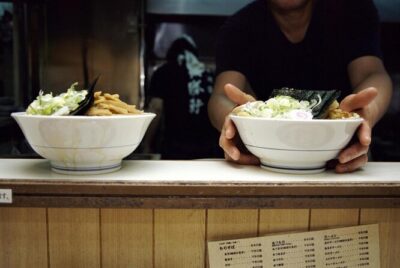
Tokyo Bar Hopping Tour in Shinjuku (All-You-Can-Drink + Dinner)
Read our review →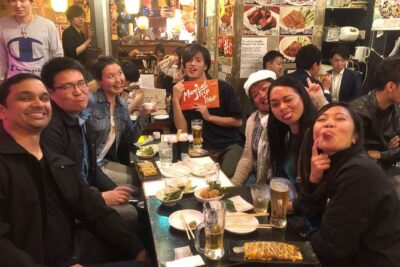
Shibuya Meltdown Nightlife Tour: All-You-Can-Drink Bar Hopping
Read our review →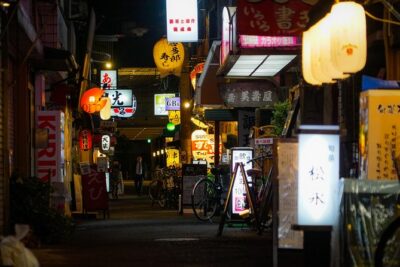
Osaka Bar Hopping Night Walking Tour in Namba (3 bars, 6 tastes)
Read our review →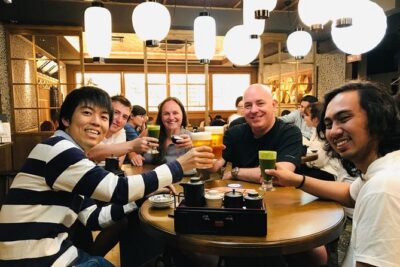
Tokyo: Shinjuku Local Bar Hopping Walking Tour
Read our review →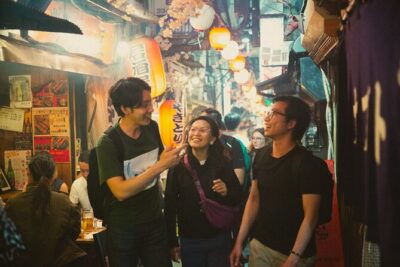
Shinjuku Izakaya and Golden Gai Bar Hopping Tour
Read our review →
3Hour Osaka Pub Crawl Bar Hopping Nightlife Guided Tour in Namba
Read our review →Browse the lists this crawl appears in