Review · TOKYO
EXCLUSIVE Tokyo: Kichijoji Small-Group Food & Bar Hopping
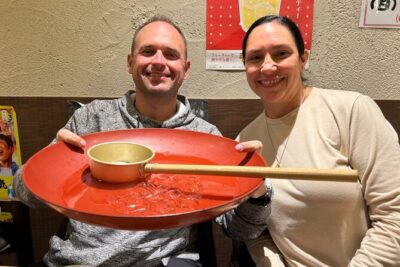
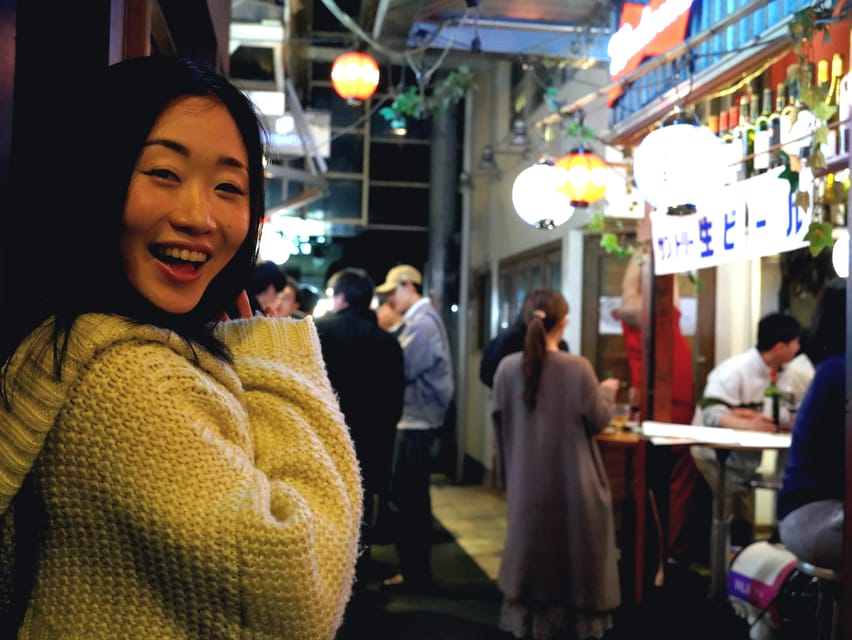
Kichijoji’s best drinking spots are often small, informal, and hard to enter when you do not speak Japanese. This tour gives you a friendly way in, with guide Hibi handling the ordering, translation, and local customs while you move through three to five izakaya and bars.
I like the six-person limit, which matters when you are squeezing into a tiny counter bar. I also like the focus on conversation, not just eating. You learn why people order certain dishes, how to raise a glass politely, and how to make sense of a neighborhood where tourists rarely wander. The main drawback is that drinks are extra, and strict vegans, vegetarians, and people with severe gluten allergies may not be able to take part.
Key points to know before booking
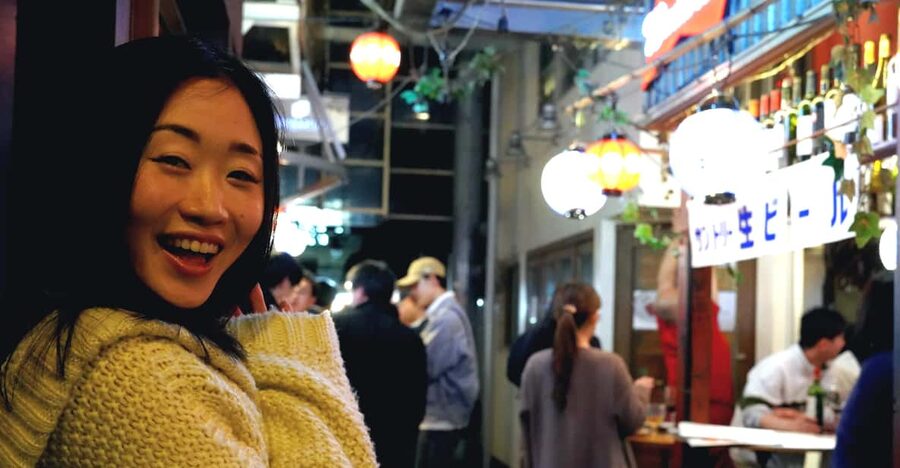
- Harmonica Alley and local bars: Explore the narrow drinking lanes and family-run places that can feel intimidating without a Japanese-speaking guide.
- Hibi leads the evening: She is both a local guide and language instructor, with connections to shopkeepers in Kichijoji.
- Small groups fit better: The tour is limited to six participants, making it easier to enter tiny bars and talk with locals.
- Food is included, drinks are not: Recommended dishes are provided at each stop, while drinks usually cost 400 to 700 yen each.
- A real bar-hopping format: Expect several short visits rather than one long restaurant meal.
- Bring cash and comfortable shoes: Small neighborhood bars may not accept cards, and you will be on your feet for much of the evening.
Why Kichijoji makes a good night out
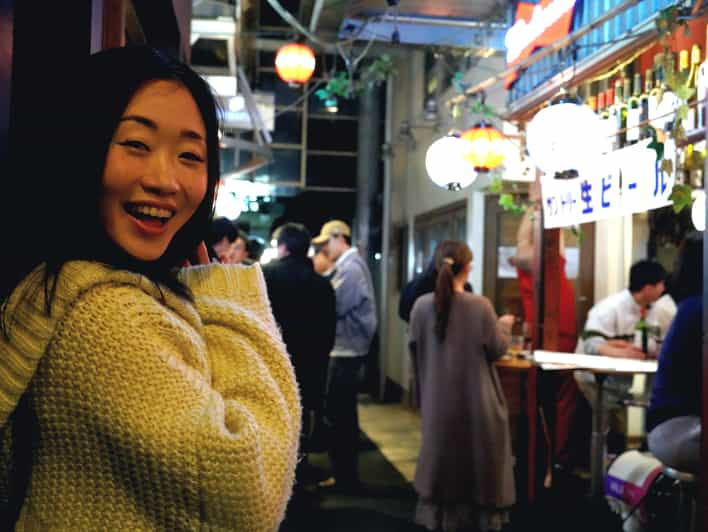
Kichijoji gives you a different view of Tokyo. It is known for Harmonica Alley, small drinking establishments, and a social scene that feels tied to the neighborhood rather than built for sightseeing. The appeal is not a famous monument. It is the chance to see how an ordinary evening can unfold around a cramped counter, a shared plate, and a drink poured by someone who knows the regulars.
That can be difficult to arrange by yourself. Some of the best places have a strong regulars-only feel, no English menu, or signs asking customers not to take photographs. Even if you find the right alley, you may hesitate at the door. Arriving with Hibi changes the tone. She can explain the customs, introduce you to the people behind the counter, and make the first few minutes less awkward.
This is also why the tour is more than a list of restaurants. You are moving through a neighborhood with someone who understands its social rules. The food is important, but the setting and the people are just as much the point.
More Bar Hopping Tours in Japan
- Tokyo Bar Hopping Tour in Shinjuku (All-You-Can-Drink + Dinner)
★ 5.0 · 3,587 reviews - Shibuya Meltdown Nightlife Tour: All-You-Can-Drink Bar Hopping
★ 5.0 · 1,058 reviews - Tokyo: Shinjuku Bar Hopping with All-You-Can-Drink & Dinner
★ 4.9 · 440 reviews
Meeting at the north exit and getting started
The meeting point is the Baskin-Robbins near the bus stop outside Kichijoji Station’s north exit. Look for the Japanese sign, サーティワンアイスクリーム 吉祥寺店. Arrive on time, since the group may need to move quickly to fit the evening’s stops.
The opening part of the experience helps you get oriented. You may pause near a local bar for photographs, then receive a short guided introduction to the area. The full tour lasts three hours, so the early explanation is useful without taking over the night.
Wear comfortable shoes. Kichijoji’s small bars and alleyways are best explored on foot, and you will not spend the whole evening seated in one place. Bring cash, including smaller coins and notes. Drinks are not covered, and the tour specifically advises carrying cash for the local bar area.
Harmonica Alley and the first small bar
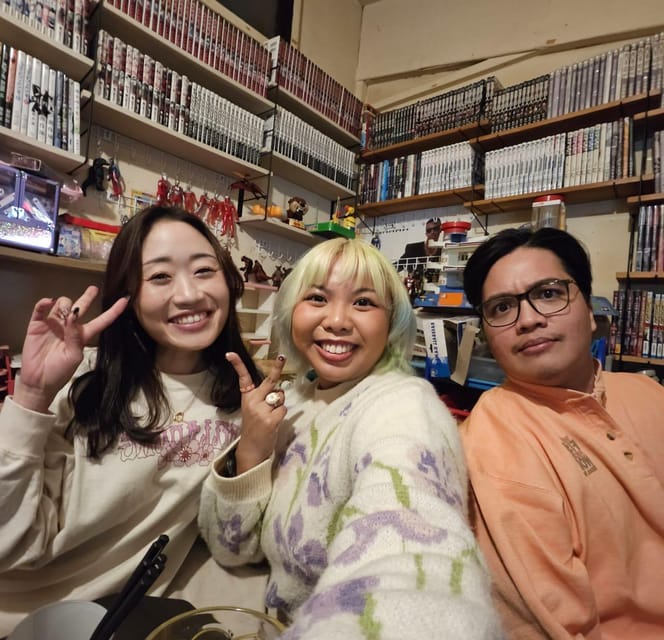
Harmonica Alley is one of Kichijoji’s defining sights after dark. Its narrow lanes are lined with compact food and drink counters, often packed close together. The charm comes from the scale. You are not entering a polished dining hall. You are stepping into a place where the counter, kitchen, bartender, and customers all share the same little room.
Your guide chooses the stops, and the exact sequence can vary. You can expect an initial bar or food stop, followed by recommendations for local dishes and drinks. Hibi’s role is especially useful here because the best choice may not be obvious from the outside.
At this first stop, you can settle into the rhythm of the evening. Hibi explains what to order and helps with the language. You may also learn a few practical Japanese phrases, which gives you a small way to greet the staff or thank the person serving you.
The setting may not suit anyone who wants a quiet, spacious dinner. Small bars can feel crowded, and photography may be restricted. Treat that as part of the etiquette rather than a disappointment. Keep your phone away when asked, listen to the guide, and let the room remain a place for conversation.
Three to five stops, with food at every turn
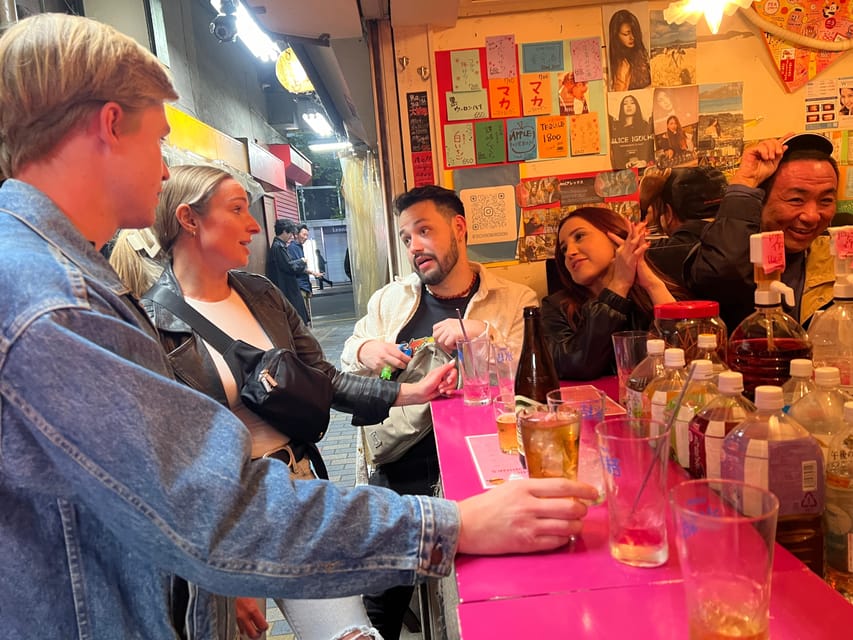
The tour visits between three and five izakaya, bars, and local food stalls. That range matters. You are not promised a fixed restaurant menu, because the evening depends on what works for the group and which small places can accommodate you.
An izakaya is a Japanese drinking restaurant built around sharing. Instead of ordering one large main course, you may choose several smaller dishes to eat with drinks. The information provided for this experience does not specify a fixed menu, so you should expect Hibi to recommend different local specialties at each stop rather than a single set meal.
That format suits curious eaters. You get several chances to try something unfamiliar, and a dish that seems unappealing at one place may make more sense after Hibi explains how it is normally eaten. The food is described as varied and unusual, and the strongest praise centers on the selection being memorable at every stop.
The tradeoff is quantity and predictability. This is not a three-hour feast with a printed menu and guaranteed dishes. It is a moving meal, shaped by small restaurants and local recommendations. If you want control over every ingredient, or you dislike sharing, the format may frustrate you.
More Bar Hopping Tours in Tokyo
- Tokyo: Shinjuku Local Bar Hopping Walking Tour
★ 5.0 · 186 reviews - Shibuya Meltdown Night Tour: All-You-Can-Drink Bar Hopping
★ 4.8 · 183 reviews - Shinjuku Izakaya and Golden Gai Bar Hopping Tour
★ 5.0 · 147 reviews - Tokyo: Shinjuku Bar Hopping & Night Walking Tour
★ 4.6 · 137 reviews
What Hibi adds to the evening
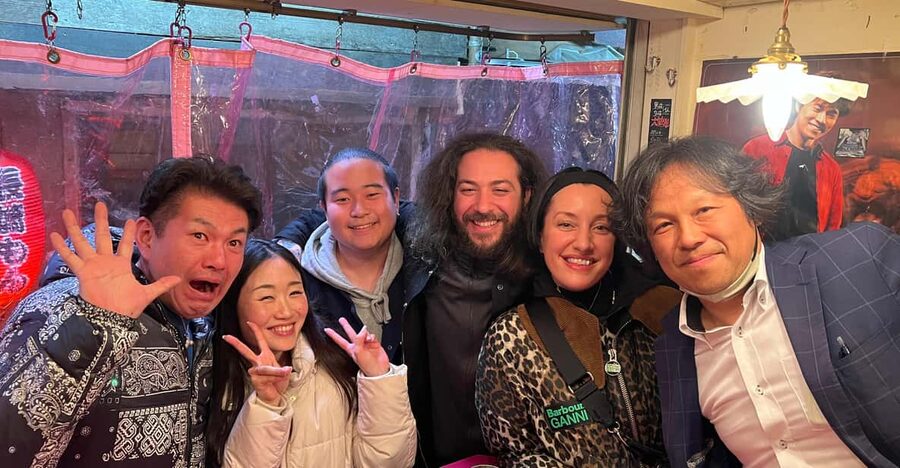
Hibi is the guide named throughout the experience, and her role goes beyond translation. She is described as a local and a language instructor, so you can expect help with both practical Japanese and the social side of drinking in Japan.
That includes the customs of the drinking table. You can learn how people order, share food, make a toast, and behave in a small bar. These details are easy to miss if you simply follow a restaurant menu. They also help you avoid the uncertainty that comes with entering a place where few people speak English.
Hibi’s personal relationships with shopkeepers are another important part of the experience. The tour is built around trust with small business owners, which helps the group enter places that may not be comfortable for independent visitors. That does not mean every stop is formally private or unavailable to outsiders. It means you have a local bridge into a setting where language and etiquette might otherwise be barriers.
The personal side is a major reason to choose this tour. The evening includes conversation and cheers with people in the neighborhood, not only explanations delivered while you walk. If you enjoy meeting people and asking questions, the small group gives you a better chance to do that.
Why the six-person limit matters
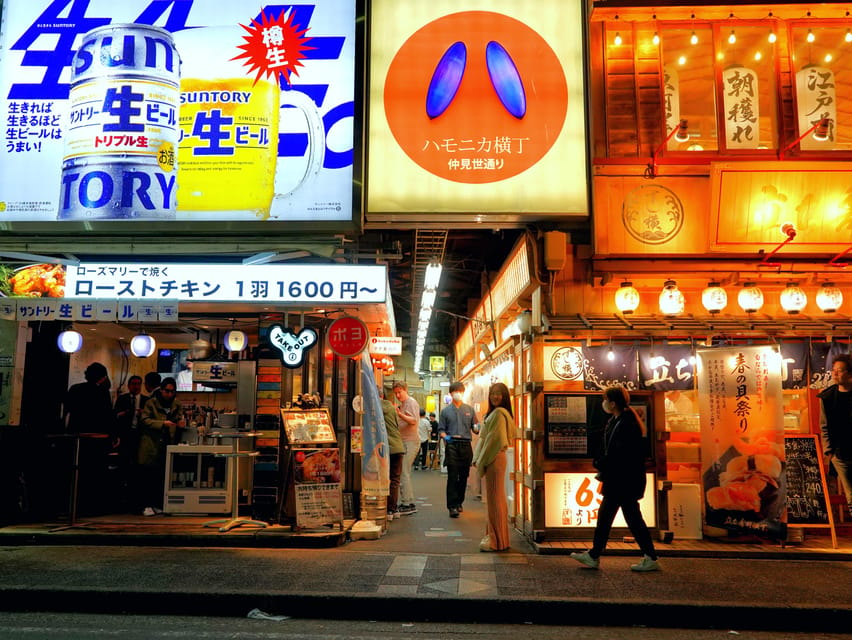
A six-person maximum is practical, not just a marketing detail. Many Kichijoji bars are too small for a large tour group. A compact party can sit at a counter, split into a couple of tables, or enter a place without taking over the room.
The small size also makes Hibi’s help more useful. She can explain a dish, translate a question, and keep the group together without turning the evening into a formal lecture. You should expect an informal pace, with time for food, drinks, and conversation.
There is one point to keep in mind. A small group does not guarantee a private experience. You will still be sharing the bars with local customers, and that is part of the appeal. The evening works best if you are comfortable with a little noise, close seating, and a plan that changes from stop to stop.
Drinks cost extra, so plan your budget
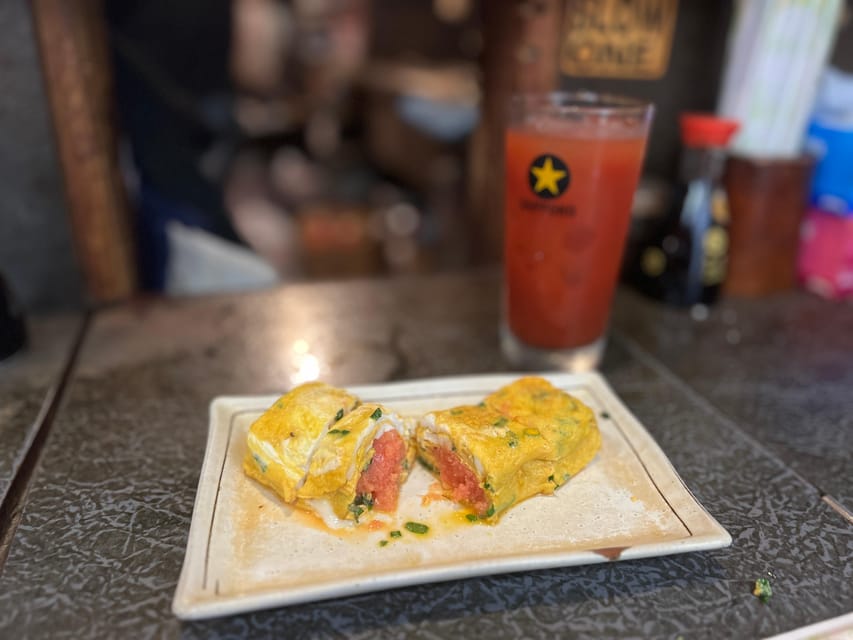
The price is $109 per person. That covers the guided food and bar-hopping experience, visits to three to five establishments, recommended food at each izakaya or shop, interpretation, etiquette advice, and language tips. Drinks are separate and generally cost 400 to 700 yen each.
For value, compare this with what you are buying beyond the food. You are paying for access, translation, route planning, and the confidence to enter places you might skip alone. You are also paying for a small group rather than a large bus-style outing.
Your final cost depends on how much you drink. A few modest drinks may add a manageable amount, but several stops can increase the total. Bring enough Japanese cash for your drinks and any additional food you choose. The tour specifically suggests bringing coins you want to use up, which is handy in small neighborhood bars.
I consider the price reasonable for someone who wants local nightlife but does not want to spend the evening guessing at menus and wondering if a doorway is welcoming. It is less compelling if you already speak Japanese, know Kichijoji well, and are comfortable finding small bars on your own.
Dietary limits and who should skip it
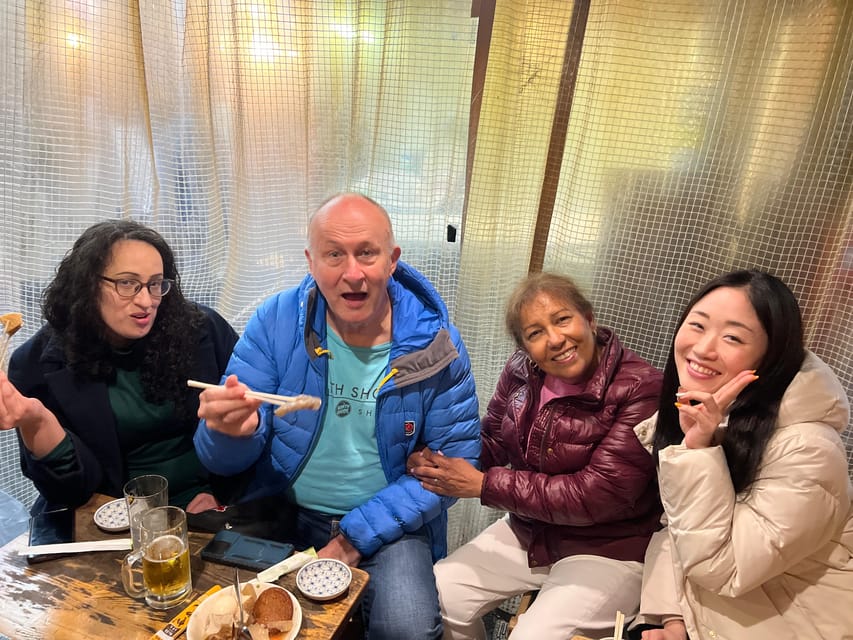
The tour is for people aged 20 and over on public departures. Private tours can welcome all ages, according to the activity information. Japan’s legal drinking age is relevant here because alcohol is central to the experience.
Strict vegans, vegetarians, and people with severe gluten allergies should be cautious. Traditional kitchens and shared preparation methods mean the tour cannot accommodate these needs reliably. If your diet is flexible, contact the provider before booking to discuss what may be possible.
This is also not the right choice for someone who wants a fully planned menu. The food changes by stop, and local recommendations guide the evening. That is a strength for adventurous eaters, but a drawback for anyone who needs firm ingredient information in advance.
Who will enjoy this Kichijoji night
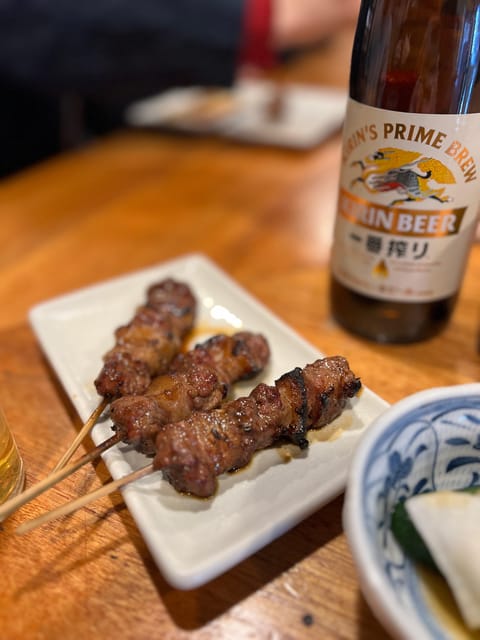
I would recommend the tour to first-time visitors who want an evening away from Tokyo’s better-known nightlife districts. It suits solo visitors particularly well, since the small group and guide create an easy social setting without requiring you to enter a bar alone.
Couples and friends can also enjoy it, especially if they like trying unfamiliar dishes and talking with local people. The format is social, but it is not a loud party crawl. You move through intimate places, taste food, and learn how the neighborhood drinks.
It is less suitable for anyone who dislikes alcohol-centered activities, cannot manage small portions of unfamiliar food, or needs a strict allergy-safe kitchen. The tour is also a poor match if you want to choose every restaurant yourself. Its value comes from trusting Hibi’s local judgment.
Practical details for a smoother evening
The meeting point is outside the north exit of Kichijoji Station, near the bus stop and Baskin-Robbins. Check the starting time when you book, since departures can vary.
The tour operates in English and Japanese. Hibi’s language-instructor background should make the interpretation useful for more than simple menu translation. You can also pick up phrases that help you interact with staff during the evening.
Cancellation is flexible up to 24 hours before the experience for a full refund, and you can reserve now while paying later. These policies are useful if your Tokyo schedule is still changing, but the more important practical step is arriving promptly.
At the end of the three hours, you return to the same Baskin-Robbins meeting point. That makes the tour easy to fit into a wider Kichijoji evening, though you may want to leave extra time afterward if you plan to continue drinking on your own.
Should you book this Kichijoji bar-hopping tour?
Book it if you want local food, small bars, and human contact more than a standard sightseeing stop. Hibi’s local connections, English interpretation, and small-group format solve the hardest parts of Kichijoji nightlife: finding the right places, knowing how to behave, and getting through the first conversation.
Skip it if you need a fixed menu, strict dietary control, or a low-cost night with drinks included. For everyone else, the $109 price buys a guided introduction to a side of Tokyo that is easy to miss. Bring cash, wear comfortable shoes, accept that the evening may be close and informal, and let the neighborhood set the pace.
FAQ
Where does the tour meet?
Meet outside Kichijoji Station’s north exit, near the bus stop and the Baskin-Robbins location, サーティワンアイスクリーム 吉祥寺店.
How long does the experience last?
The tour lasts three hours and returns to the same Baskin-Robbins meeting point.
How many people are in the group?
Public tours are limited to six participants.
Which languages are available?
The tour is offered in English and Japanese with a bilingual guide.
Are drinks included in the price?
No. Drinks are paid for separately and usually cost 400 to 700 yen each.
What food and places are included?
The experience includes three to five izakaya and bar visits, local food stalls, and recommended food at each izakaya or shop. The exact dishes and stops can vary.
Can people with dietary restrictions join?
Strict vegan, vegetarian, and severe gluten allergy requirements cannot be accommodated because of traditional kitchen methods. Flexible dietary needs should be discussed when booking.
More Food and Drink Crawls in Tokyo
- Tokyo Shinjuku Japanese Local Bar Hopping and Food Tour
★ 5.0 · 4 reviews
More Food and Drink Crawls in Japan
- Tokyo: Shinjuku Food Tour Highlights (Best Eats)
★ 5.0 · 100 reviews - Private Tokyo Local Food and Drink Tour with a Bar Hopping Master
★ 5.0 · 22 reviews - Shinjuku Underground Nightlife Tour: Izakaya Food & Bar Hopping
★ 5.0 · 11 reviews - Shibuya: Local Food & Culture Walk in Sangenjaya District
★ 5.0 · 5 reviews
Newly added crawls around Tokyo
- Tokyo Shinjuku Bar Hopping –Wagyu , Ramen & 7 Dishes★ 5.0 · 13 reviews
- Shibuya: Local Food & Culture Walk in Sangenjaya District★ 5.0 · 5 reviews
- Shinjuku Underground Nightlife Tour: Izakaya Food & Bar Hopping★ 5.0 · 11 reviews
- Tokyo Shinjuku Japanese Local Bar Hopping and Food Tour★ 5.0 · 4 reviews
- Akabane pub adventure night★ 5.0 · 5 reviews
- Tokyo: Private Shibuya Bar Crawl Tour -3 Drinks & Local Foods-★ 5.0 · 23 reviews
- 【Contemporary Culture】Bar Hopping I Always Visit in Shinjuku!★ 5.0 · 29 reviews
- Shimokitazawa local neighborhood walk and bar hopping★ 5.0 · 5 reviews
Food and Drink Crawls, compared.
Tokyo Bar Hopping Tour in Shinjuku (All-You-Can-Drink + Dinner)
Read our review →
Southern Flavors Food, Pub Crawl, and History Walking Tour
Read our review →
Small-Group Local Pubs Walking Tour And Traditional Czech Dinner
Read our review →
Barcelona speakeasy tapas pub crawl with hidden bars
Read our review →
Zurich: Pub Crawl Nightlife Tour with Shots and Snacks
Read our review →