
Review · TOKYO
Tokyo:Japanese pub Journey with University Students
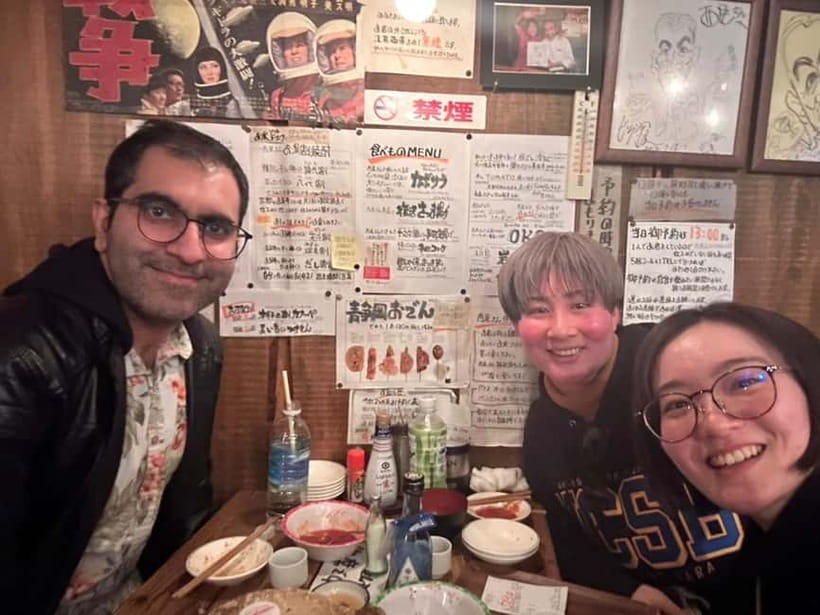
The best part of this Shinjuku experience is not simply eating Japanese pub food. It is sitting with two English-speaking university students and hearing how young people in Japan think, study, and live. Izakaya are social places where small plates keep arriving and conversation flows easily, so the meal gives you a direct way to connect with local life.
I like two things right away: the tiny group size, limited to four participants, and the fact that your restaurant bill, meals, and selected drinks are included. You also get foods you might not order on your own, from dashi rolled eggs to pickled vegetables. The main consideration is the two-hour limit. This is a focused introduction to izakaya culture, not a long night of hopping from pub to pub.
Key points to know before booking
- Two university students lead the evening, giving you a local view of Japanese student life rather than a standard sightseeing script.
- Shinjuku is the setting, with the meeting point at the police box by the East Exit of Shinjuku Station.
- Food and drinks are included, with dishes such as yakitori, gyoza, karaage, cold tofu, tamagoyaki, and oshinko.
- Drinkers and non-drinkers can both take part, although the included beverage selection features beer, Japanese sake, and plum liqueur.
- The group has a maximum of four participants, which leaves room for real conversation.
- You return to the same meeting point after two hours, making this easy to fit into a busy Tokyo evening.
Why an izakaya meal tells you more than a standard dinner
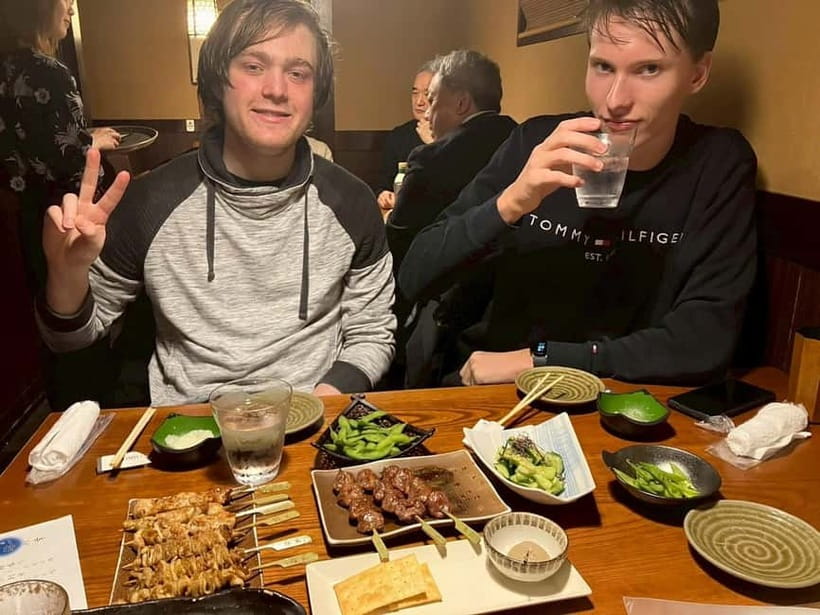
An izakaya is a Japanese pub built around sharing. You order several small dishes, place them in the middle of the table, and eat a little of everything while talking and drinking. The food is usually approachable and reasonably priced, but the social setting matters as much as the menu.
That makes this experience useful if you want more than a restaurant meal. The two student guides can explain how izakaya work and help you understand why these places are important in Japanese social life. The goal is not formal classroom instruction. It is conversation over food, with the setting doing much of the teaching.
You may see familiar Japanese dishes on the table: edamame, yakitori, gyoza, fried chicken, potato salad, tamagoyaki, cold tofu, and oshinko. Oshinko refers to pickled vegetables, such as cucumber and carrot. These dishes are easy to share, and most offer a gentle introduction to everyday Japanese food.
You might also receive a house specialty found only at the particular izakaya you visit. The exact restaurant and dishes can vary, which is part of the appeal. You are not being taken through a fixed tourist menu. You are being introduced to a local pub chosen for that occasion.
More Pub Crawls around Tokyo:
- Tokyo Bar Hopping Tour in Shinjuku (All-You-Can-Drink + Dinner)
★ 5.0 · 3,587 reviews - Shibuya Meltdown Nightlife Tour: All-You-Can-Drink Bar Hopping
★ 5.0 · 1,058 reviews - Tokyo: Pub Crawl and Bar Tour
★ 4.5 · 951 reviews
Meeting two students in the heart of Shinjuku
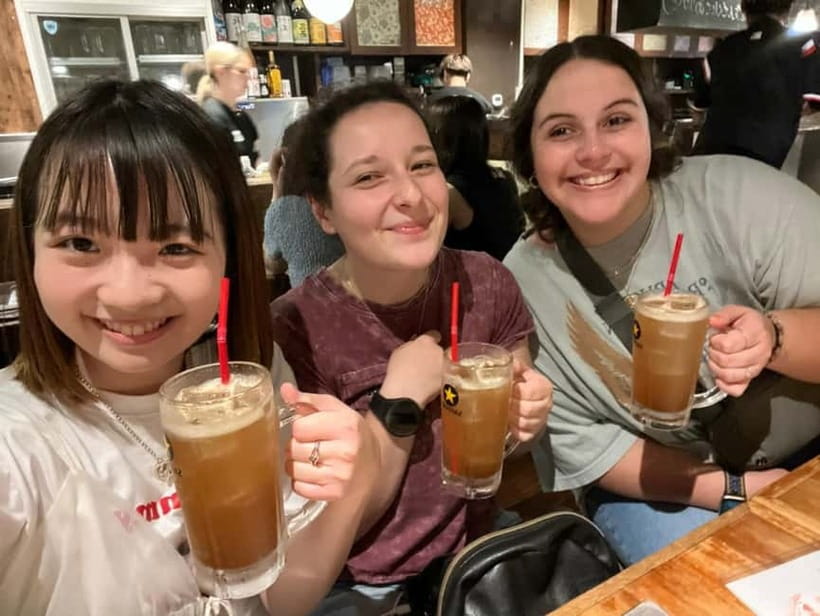
The tour begins at 新宿警察署 新宿駅東口交番, the police box near Shinjuku Station’s East Exit. Two university students wait at the meeting spot. Bring your passport, as it is listed as a required item for the activity.
The meeting point is practical, but Shinjuku Station can be confusing. Give yourself enough time to find the East Exit and the police box rather than arriving at the last minute. The tour ends at the same location, so you do not need to arrange a separate return point or remember a new address after the meal.
The students speak English and Japanese. Their role is important. They are not simply there to point out dishes or translate a menu. They explain the appeal of izakaya culture and share ideas about Japan from the viewpoint of people currently attending university.
That personal connection is the strongest reason to choose this activity. A guide can tell you what an izakaya is, but a university student can also talk about the choices and concerns shaping life for a younger generation. The information supplied for this experience does not list the students’ names, so you should not expect a named guide when booking. The guides are described as English-speaking university students.
What you are likely to eat at the izakaya
The included meal is made up of standard izakaya dishes, including deep-fried food, dashi rolled eggs, and cold tofu. The longer food list gives you a clearer idea of the meal:
- Edamame
- Yakitori
- Gyoza
- Karaage
- Potato salad
- Tamagoyaki
- Oshinko
- Cold tofu
- Other restaurant-specific dishes
Yakitori is grilled chicken served in small portions, while karaage is Japanese-style fried chicken. Tamagoyaki is a rolled omelet with a soft, layered texture, often seasoned with dashi. These are useful dishes to try in a social setting because you can take a small portion rather than commit to a full plate.
The menu may also include something unusual that is particular to the restaurant. That can be a pleasant surprise, but it also means the exact food lineup is not guaranteed. If you dislike certain foods, tell the students when you meet them. The activity specifically asks participants to mention food dislikes at the beginning, so you have a chance to guide the meal.
The food is included in the price, not just a tasting sample that leaves you hungry. Still, the experience is built around shared small plates rather than a large, formal dinner. If you need a substantial meal or have strict dietary requirements, ask about your needs when meeting the guides.
Beer, sake, plum liqueur, and non-drinkers
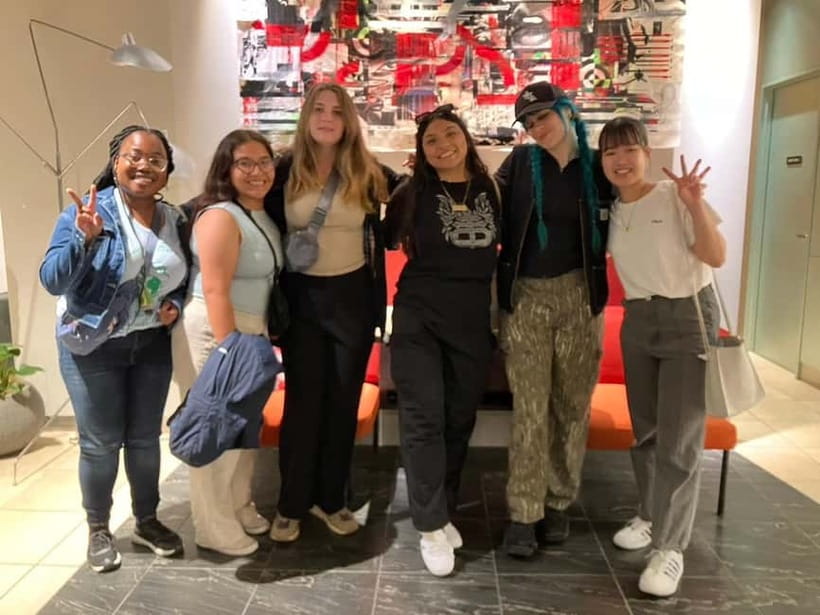
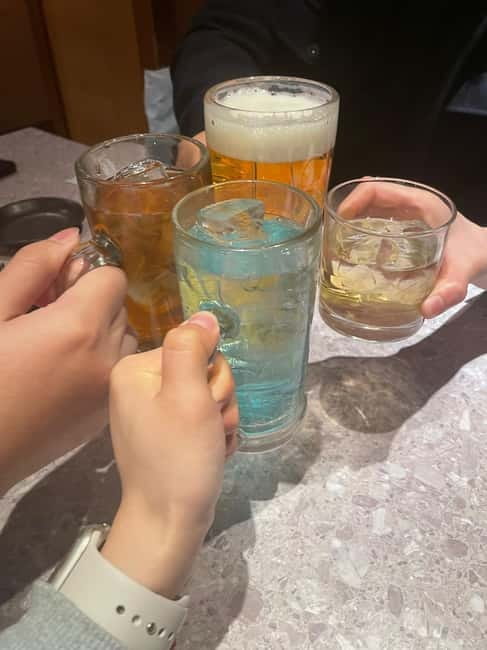
The included drinks feature beer, Japanese sake, and plum liqueur. These give you a quick introduction to several common izakaya choices, from beer served with snacks to traditional sake and sweet plum-based alcohol.
You do not need to be a drinker to enjoy the tour. The activity is described as suitable for both drinkers and non-drinkers, and the conversation and food are central to the evening. The supplied details do not specify which nonalcoholic drinks are included, so ask the guides what alternatives are available if you do not drink alcohol.
For drinkers, the arrangement is simple: the restaurant bill is included. You are not left to guess how much the meal will cost as each plate arrives. This is especially helpful in an izakaya, where shared orders can make a final bill harder to track.
The two-hour duration also keeps the pace manageable. You can try several drinks and dishes without committing your entire evening. At the same time, two hours passes quickly once the conversation starts, so do not expect a long crawl through several neighborhoods or pubs.
Same night out, another set of bars:
- Japanese Speaking Experience Meet the locals Friend Cafe Shibuya
★ 5.0 · 518 reviews - Tokyo: Shinjuku Bar Hopping with All-You-Can-Drink & Dinner
★ 4.9 · 440 reviews - 3-Hour Tokyo Pub Crawl Nightlife Welcome Guided Tour in Shibuya
★ 5.0 · 209 reviews - Tokyo: Shinjuku Local Bar Hopping Walking Tour
★ 5.0 · 186 reviews
The value of $140 for a two-hour experience
At $140 per person, this is not a budget dinner. You are paying more than the cost of ordering a few izakaya dishes independently. The value comes from the format: a private-style, small-group experience with two English-speaking student guides, included food, included listed drinks, and the restaurant bill covered.
The group limit of four matters here. In a large group, you might spend the evening listening to a guide speak to everyone else. With only a few participants, you have a better chance to ask direct questions and keep the conversation moving. The format is especially useful if you want to learn about student life rather than simply receive a list of food explanations.
The price is easier to justify if you would otherwise struggle to enter a local izakaya or feel unsure about ordering. The students can help explain what you are eating and introduce dishes you might skip on your own. A past booking was made specifically to understand university student life in Japan, and the students introduced foods the participants would not have tried independently. That is exactly where this experience earns its higher price.
I would compare it with the cost of a guided food tour, not with the price of an ordinary meal. If your main goal is simply to eat inexpensive Japanese pub food, go to an izakaya on your own. If you want guided conversation, cultural context, and a small social setting, the fee offers a different kind of value.
Why the student perspective is the real attraction
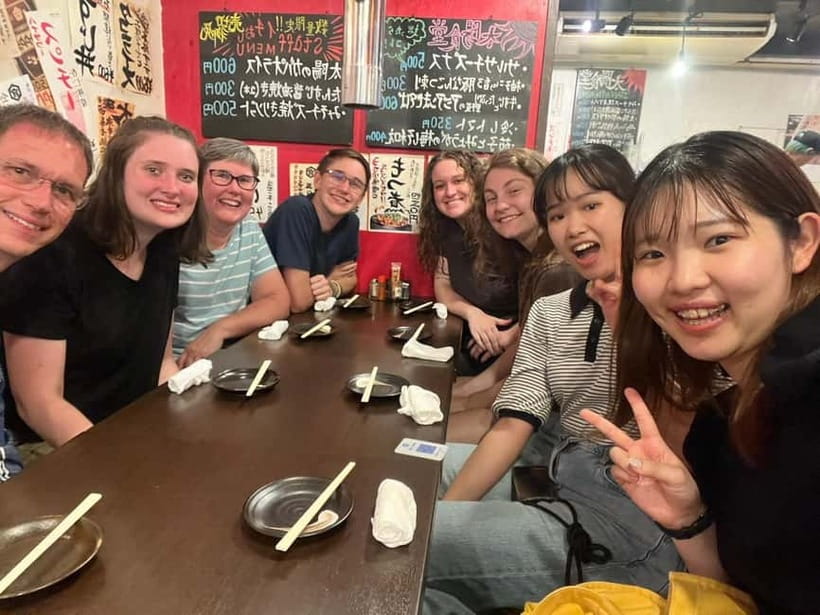
Tokyo has no shortage of food tours. Many can show you what to order. This one adds a human conversation that you cannot reproduce by reading a menu or following a restaurant list.
The students can explain their own ideas about Japan and what it is like to live there as a university student. The available information does not promise a set list of discussion topics, so you should arrive ready to ask questions. You might ask about university routines, food habits, social life, or how young Japanese people view their country. The experience is strongest when you treat it as an exchange rather than a lecture.
The students are described as respectful and delightful in the supplied feedback, with the food introductions singled out as a strong part of the experience. That points to a good match for curious, sociable people who want conversation with their meal.
This is also a useful choice for a repeat visitor to Tokyo. If you have already seen the major sights, an evening spent talking with local students can show you a less polished side of the city. You are not visiting a museum or a famous landmark. You are learning through an everyday meal.
Two hours in Shinjuku, with no second stop to find
The activity starts and finishes at the same Shinjuku meeting point. That simple structure has practical advantages. You can plan dinner or an evening walk before or after the tour without worrying about where the guides will leave you.
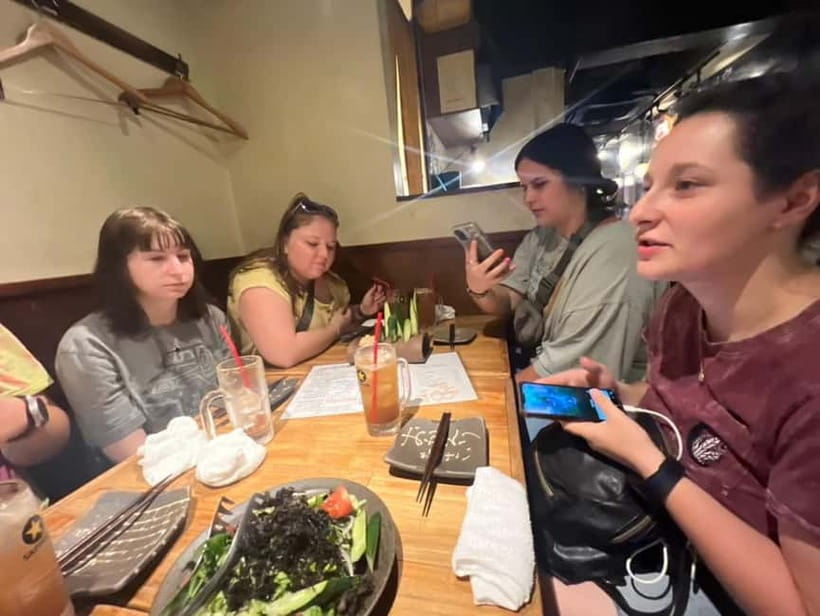
The itinerary does not list several named restaurants or a set sequence of stops. Instead, you visit a local izakaya selected for the occasion. The restaurant may offer its own special dishes, and the exact place can vary rather than following the same route every time.
That flexibility adds a sense of discovery, but it also means you cannot judge the tour by a particular restaurant name or guaranteed menu. If you need a specific food, seating arrangement, or drink, ask before the meal begins. The stated meal includes common izakaya dishes, but the restaurant itself is not identified in advance.
The return to the police box gives the experience a clear finish. You are not expected to navigate through an unfamiliar part of Tokyo after drinking or after a long night. Since the tour is only two hours, you can also use it as a planned introduction before continuing your evening elsewhere.
Who will get the most from this experience
I would choose this tour if you want food and conversation in equal measure. It suits solo visitors, couples, and small groups who enjoy asking questions and meeting local people. The four-person limit makes it a good option if you find large food tours tiring or impersonal.
It is also a strong fit for anyone interested in Japanese university life. The student guides give the tour a clear purpose beyond eating. Families with adult children, students, and people visiting Japan for the first time may find the exchange especially useful.
Non-drinkers can join, but you should confirm what alternatives are available. The activity includes alcoholic drinks, yet it is explicitly intended to be enjoyable without alcohol.
This is not suitable for anyone under 20. The activity lists a minimum age restriction, so families with younger teenagers should choose another food experience.
The tour is wheelchair accessible, which removes one common barrier. The supplied details do not describe the restaurant layout or restroom facilities, so if you need specific access arrangements, ask the provider before booking.
Booking details that matter in practice
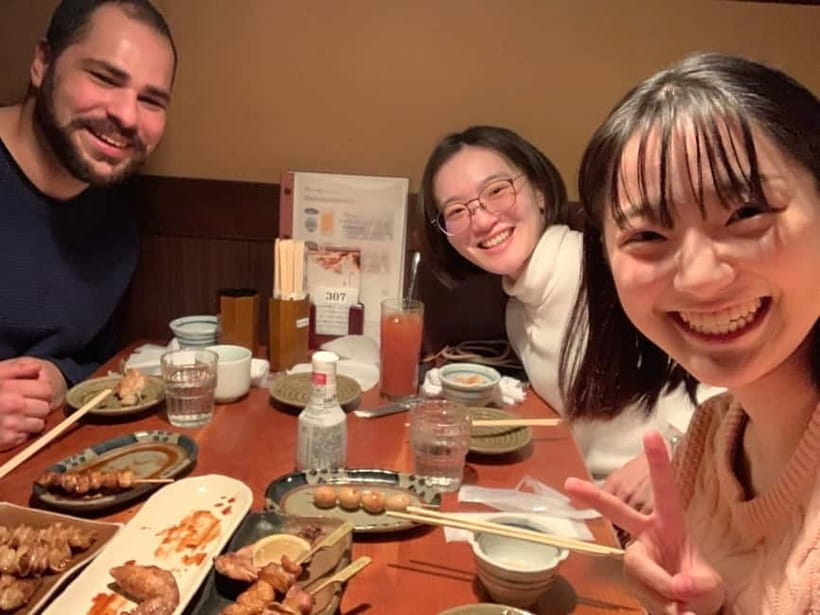
The experience lasts two hours, and starting times depend on availability. Since it takes place in the evening pub setting of an izakaya, check the available time before building the rest of your Shinjuku plans.
You can reserve now and pay later, which helps if your Tokyo schedule is still changing. Cancellation is free up to 24 hours before the activity for a full refund. These terms give you some flexibility, but check the final booking conditions at the time you reserve.
Bring your passport. Also be ready to tell the students about foods you do not like when you meet them. That small bit of preparation can make the shared meal more comfortable.
The activity is offered in English and Japanese, and the group is limited to four participants. The guide, food, listed drinks, and restaurant bill are included in the stated price of $140 per person.
Should you book this Shinjuku izakaya tour?
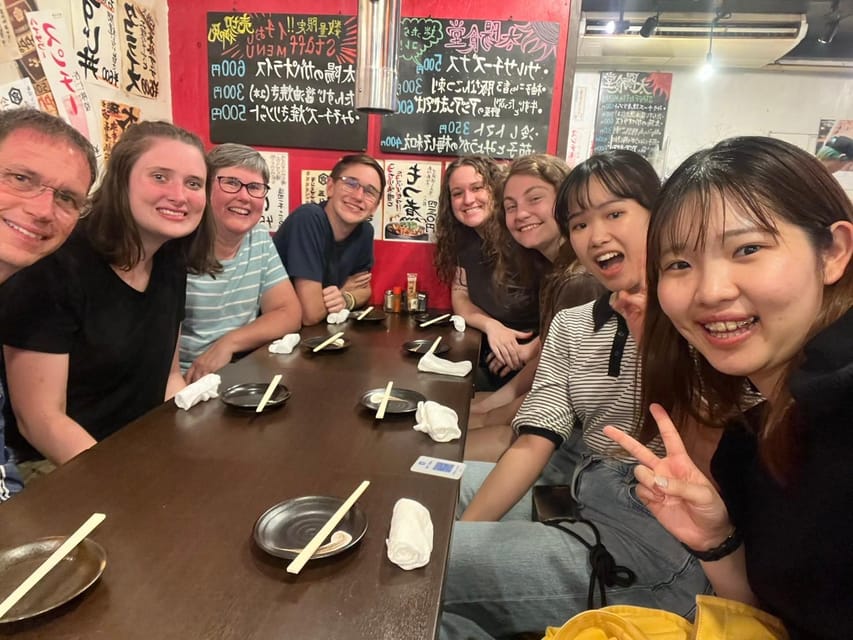
Book it if you want a personal introduction to Japanese pub culture and value conversation as much as the meal. The small group, included bill, and two student guides make it more personal than a basic restaurant visit. The strongest feature is the chance to ask young Japanese people about life today while sharing dishes that are easy to try together.
Skip it if your priority is the lowest-cost dinner, a long pub crawl, or a fixed list of famous restaurants. Two hours is brief, and the restaurant and exact dishes may change.
For most people who want a friendly cultural exchange, this is a worthwhile Shinjuku evening. Go with an open appetite, bring your passport, and arrive ready to talk.
FAQ
Where does the tour begin?
It begins at 新宿警察署 新宿駅東口交番, the police box by the East Exit of Shinjuku Station.
Where does the tour finish?
The activity ends back at the same meeting point, 新宿警察署 新宿駅東口交番.
How long does the experience last?
The tour lasts two hours.
Who leads the tour?
Two English-speaking Japanese university students wait at the meeting point and guide the experience. Their names are not provided.
What languages are available?
The tour is available in English and Japanese.
What food is included?
Included food can include deep-fried dishes, dashi rolled eggs, cold tofu, edamame, yakitori, gyoza, karaage, potato salad, tamagoyaki, and oshinko.
What drinks are included?
The listed included drinks are beer, Japanese sake, and plum liqueur.
Are non-drinkers allowed to join?
Yes. The experience is described as suitable for both drinkers and non-drinkers.
Is the restaurant bill included?
Yes. The guide, izakaya meals, listed izakaya alcohol, and your restaurant bill are included.
What age group can take part?
The activity is not suitable for people under 20 years old.
Newly added crawls around Tokyo
- Tokyo Shinjuku Bar Hopping –Wagyu , Ramen & 7 Dishes★ 5.0 · 13 reviews
- Shibuya: Local Food & Culture Walk in Sangenjaya District★ 5.0 · 5 reviews
- Shinjuku Underground Nightlife Tour: Izakaya Food & Bar Hopping★ 5.0 · 11 reviews
- Tokyo Shinjuku Japanese Local Bar Hopping and Food Tour★ 5.0 · 4 reviews
- Akabane pub adventure night★ 5.0 · 5 reviews
- Tokyo: Private Shibuya Bar Crawl Tour -3 Drinks & Local Foods-★ 5.0 · 23 reviews
- 【Contemporary Culture】Bar Hopping I Always Visit in Shinjuku!★ 5.0 · 29 reviews
- Shimokitazawa local neighborhood walk and bar hopping★ 5.0 · 5 reviews
Pub Crawls, compared.
Stonehenge, Windsor Castle and Bath with Pub Lunch in Lacock
Read our review →
Tokyo Bar Hopping Tour in Shinjuku (All-You-Can-Drink + Dinner)
Read our review →
Prague: Pub Crawl with Unlimited Drinks & 5-floor Club Entry
Read our review →


Amsterdam: Red Light District Pub Crawl with Unlimited Shots
Read our review →Browse the lists this crawl appears in